

Testing Zamak 3 and Zamak 5 with an OES Spectrometer
Inzinc alloy die casting (Zamak Die Casting), a common QA/QC challenge is confirming whether the incoming material is the correct grade and its composition meets technical requirements.
Zamak 3 and Zamak 5 look similar, but their chemical compositions differ. When receiving material or controlling molten metal, analyzing the actual composition gives a business additional evidence to verify the material.
How Are Zamak 3 and Zamak 5 Different?
Zamak 3 and Zamak 5 are both zinc-based alloys. Elements such asAluminium (Al), Magnesium (Mg), and Copper (Cu)are controlled for each material grade.
One notable difference is copper content. Zamak 3 typically has very little Cu, while Zamak 5 has a higher Cu content. This compositional difference contributes to each grade’s properties and applications.
Specific composition limits should be determined according to the standards or technical requirements a business follows.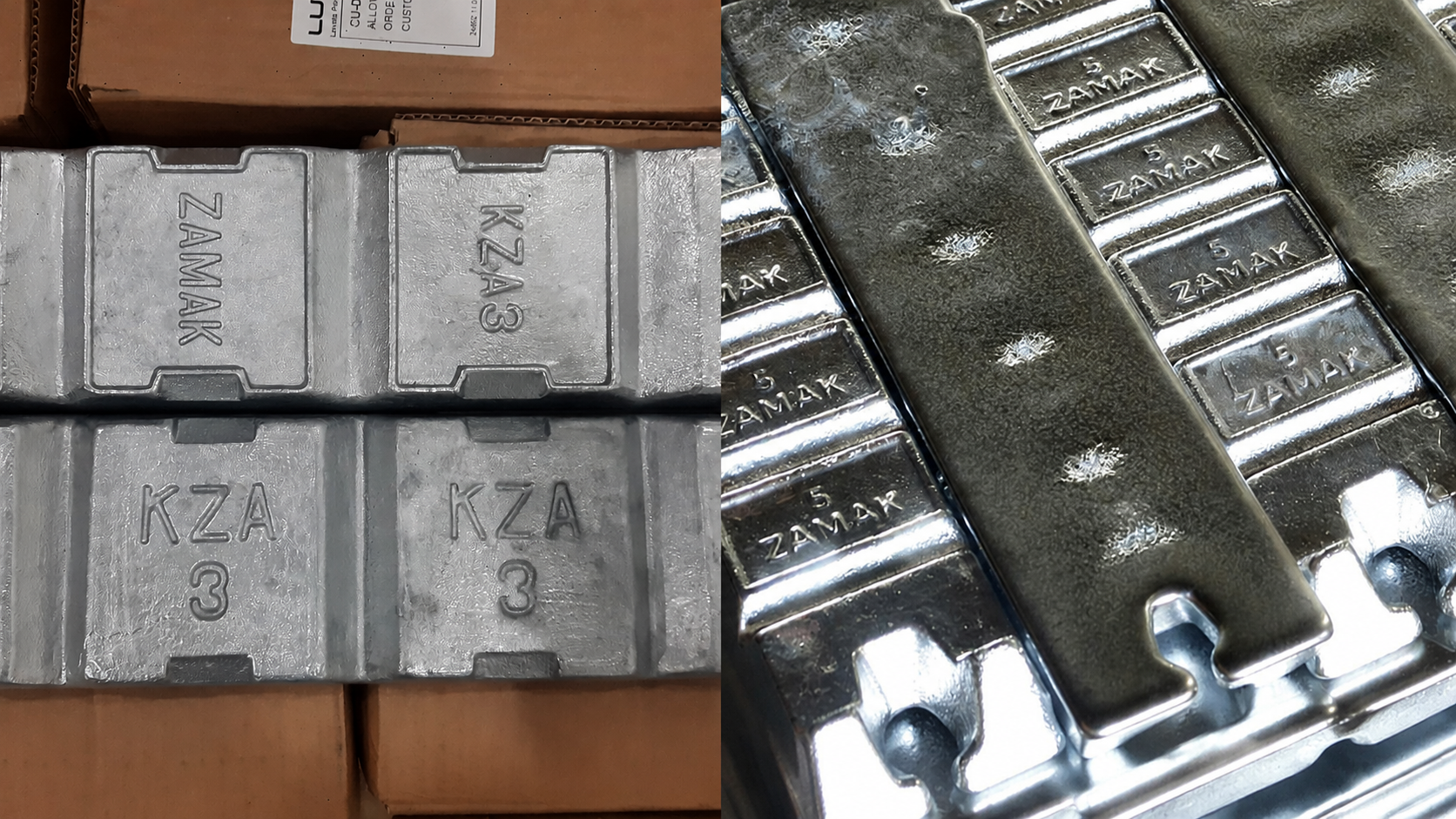
How Can You Verify a Zamak Grade?
In practice, a business can refer to:
- Material codes and identification markings
- Certificate of Origin/Quality (CO/CQ) or supplier documentation
- Technical standards or customer specifications
- Chemical composition analysis results
CO/CQ documents provide important information about material origin and requirements. When verification is needed, a business can directly analyze a sample and compare the results with the technical requirements.
Elements commonly checked in Zamak include:Zn - Al - Mg - Cu
Other elements may also be controlled depending on the grade and standard.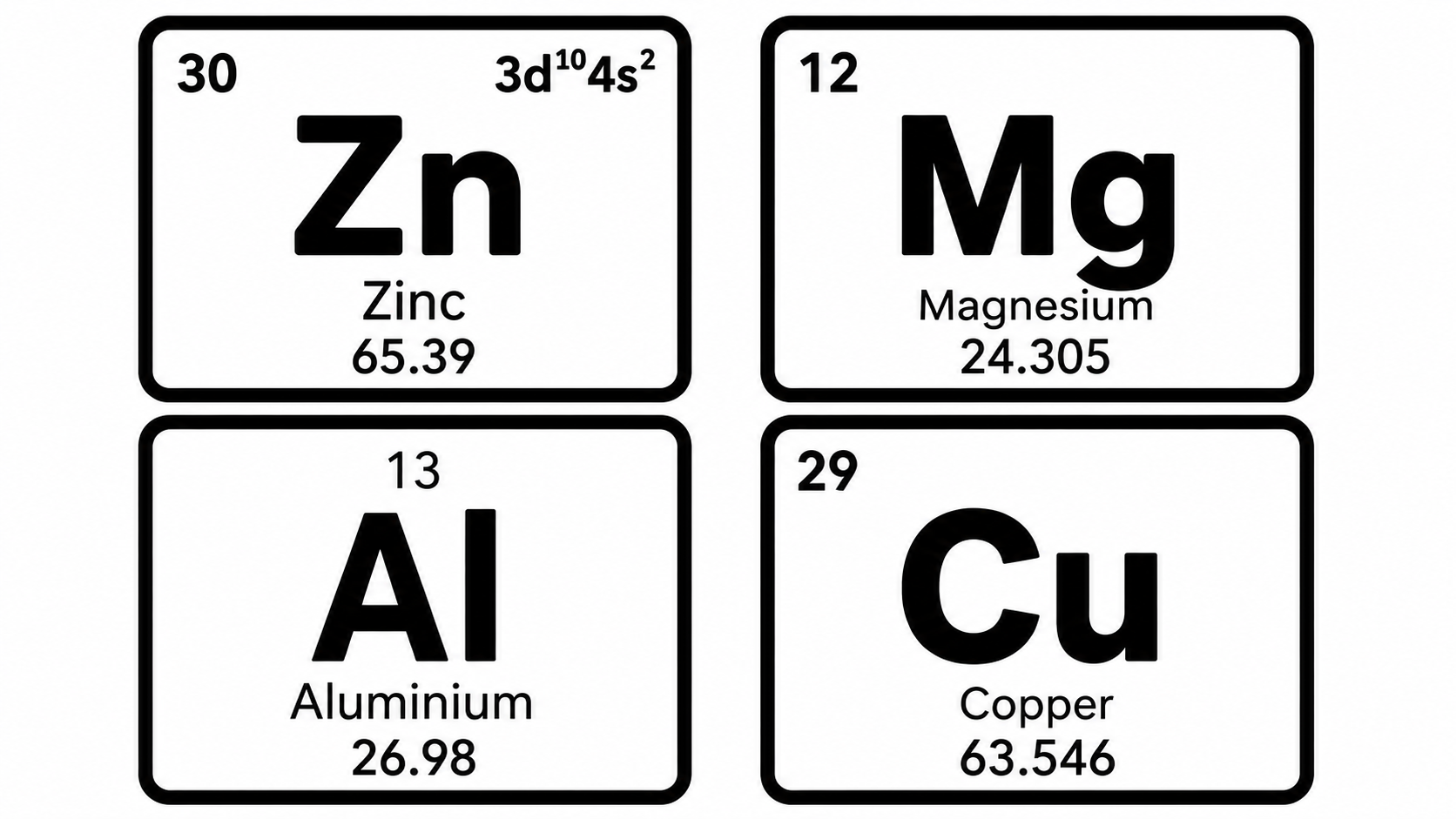
Why Check Both Incoming Material and the Melt?
For die-casting plants, checking incoming material alone is not the entire control process.
After melting, the batch composition should also be checked against production requirements. This helps QA/QC verify the molten metal before casting.
The process can follow these steps:
Incoming material → Composition check → Melting → Melt batch check → Die casting
This control process helps identify unsuitable material early and monitor consistency between production batches.
OES spectrometerfor Zamak Testing?
OES (Optical Emission Spectroscopy) analyzes the elemental composition of a metal sample using its characteristic emission signals.
According to Hitachi High-Tech, the series supports grade identification, material verification, quality control, and process or melt verification, including zinc-based alloys.
For Zamak applications, OES can help businesses with:
- Incoming Material Inspection
- Grade Identification
- Material Verification
- Melt Verification
- QA/QC: data for quality control
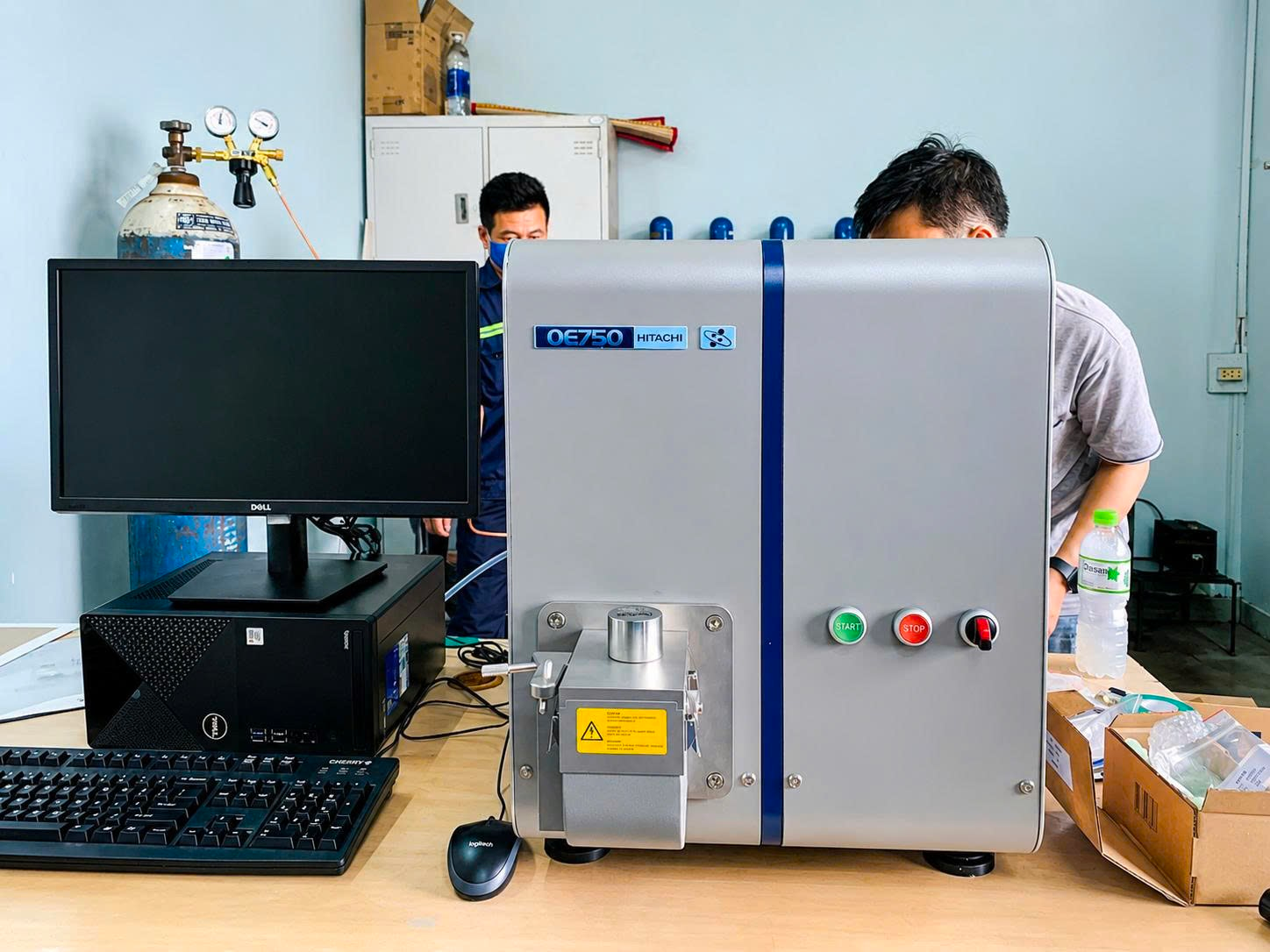
Hitachi OE720/OE750for Zamak Testing
Hitachi OE720/OE750 is a Spark OES system used for metal composition analysis and production quality control.
The OE Series uses Multi-CMOS optics, supporting multi-element analysis and control of elements at concentrations suited to each application.
Zamak manufacturers should choose between OE720 and OE750 based on:
- The material grade to be tested
- The elements to be analyzed
- Required detection limits
- Customer technical requirements
- Whether incoming material or the melt must be tested
When Should a Business Use OES?
OES analysis is especially useful when a business:
- Uses multiple zinc alloy grades
- Needs to test Zamak 3 or Zamak 5
- Receives material from multiple sources
- Needs to verify material before production
- Wants to control melt composition
- Needs analysis data for QA/QC
- Must meet customer material verification requirements
Zamak 3 and Zamak 5 differ not only in name but also in chemical composition. Composition analysis is therefore an important step when verifying a material grade or controlling material quality.
An OES spectrometer can help businesses inspect incoming material, identify grades, control the melt, and verify material.
Quoc Huy provides Hitachi OE720/OE750 spectrometer solutions and advises on configurations suited to the material and analysis requirements.
Frequently Asked Questions
Yes. OES can analyze zinc-based alloys when the instrument is configured and calibrated for the material being tested.
Both are zinc-based alloys, but their chemical compositions differ, especially in copper (Cu) content. Composition analysis can help verify the grade against the applicable specification.
Depending on the grade and standard, commonly checked elements include Zn, Al, Mg, and Cu. Other elements may be controlled to meet customer or technical requirements.
Yes, especially when incoming material needs close control. Analysis helps verify composition before melting and die casting.
Yes. OES can verify a metal melt batch and check molten metal composition before casting, depending on the process and analytical configuration.
The choice depends on the elements to be analyzed, detection limits, and technical requirements. Select based on the application and specific requirements, not the material name alone.


