

What Is Inconel? How to Control Inconel Quality
Inconel is a family ofnickel-based alloysused in applications that require heat resistance, corrosion resistance, and strength under severe operating conditions.
However, different Inconel grades have different chemical compositions and technical requirements. During receiving and production,material composition testing is an important step in confirming the grade and controlling quality.
How can OES spectrometers help control Inconel quality?
Why test Inconel composition?
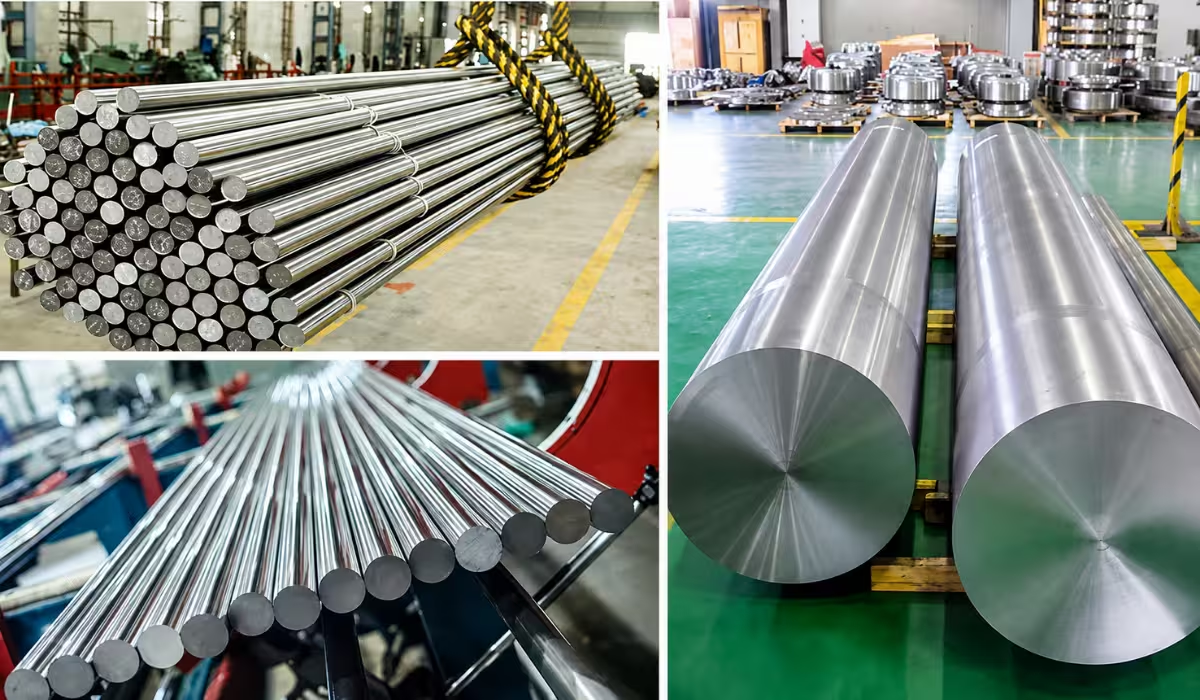
Inconel is supplied as plates, bars, tubes, billets, and machined parts. Companies often identify materials from markings, documents, and CO/CQ certificates.
However, whenmaterial grade verificationis needed, directly analyzing a sample provides additional data for comparison with technical requirements.
This is especially important when:
- Inspecting incoming material from suppliers
- Confirming the correct Inconel alloy grade
- Checking material before machining
- Inspecting finished products before delivery
- Controlling high-value materials
Which elements should be checked in Inconel?
The elements depend on the grade and applicable standard. Commonly checked elements include:Ni – Cr – Mo – Nb – Fe – Ti – Al – Co...
These elements can help identify and distinguish different Inconel grades.
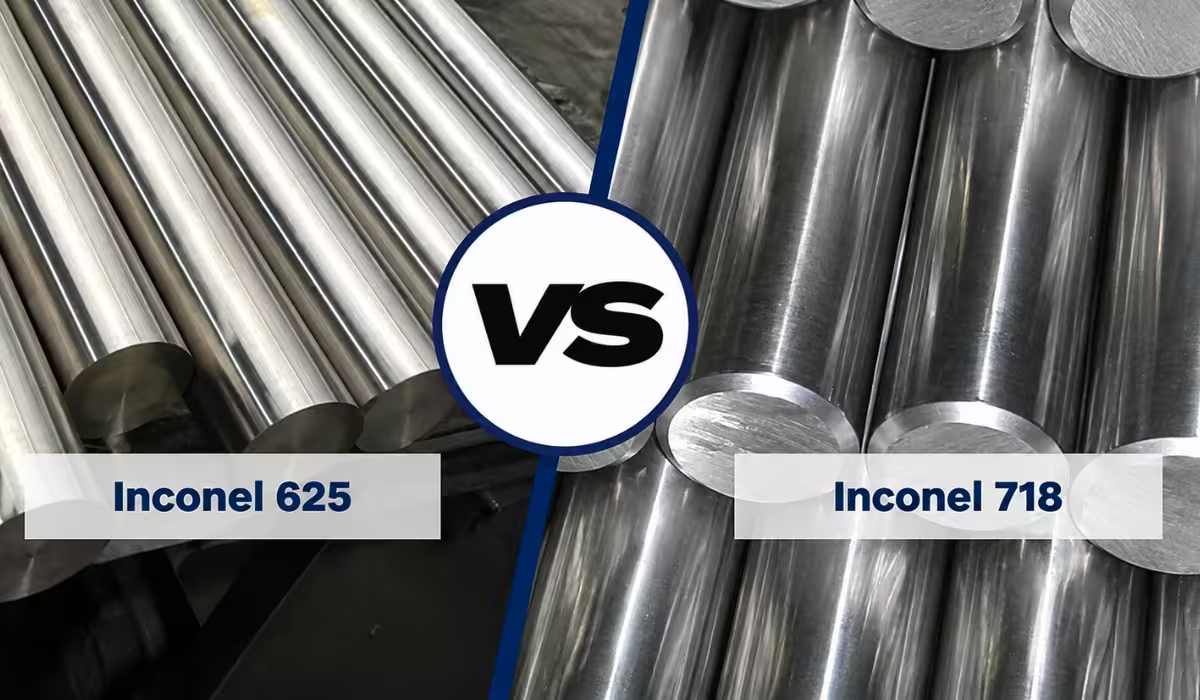
For example,Inconel 625 and Inconel 718are both nickel-based alloys but differ in composition and technical requirements. Composition analysis can help companies test actual material and compare it with the relevant requirements.
Comparison of Inconel 625 and Inconel 718
| Element | Inconel 625 (UNS N06625) | Inconel 718 (UNS N07718) |
| Ni | ≥ 58.0 | 50.0–55.0 |
| Cr | 20.0–23.0 | 17.0–21.0 |
| Mo | 8.0–10.0 | 2.8–3.3 |
| Nb + Ta | 3.15–4.15 | 4.75–5.50 |
| Fe | ≤ 5.0 | Balance, typically ~17–21 |
| Co | ≤ 1.0 | ≤ 1.0 |
| Mn | ≤ 0.50 | ≤ 0.35 |
| Si | ≤ 0.50 | ≤ 0.35 |
| Al | ≤ 0.40 | 0.20–0.80 |
| Ti | ≤ 0.40 | 0.65–1.15 |
| C | ≤ 0.10 | ≤ 0.08 |
| P | ≤ 0.015 | ≤ 0.015 |
| S | ≤ 0.015 | ≤ 0.015 |
| B | — | ≤ 0.006 |
Note:Evaluate the exact chemical composition against the applicable grade and standard or technical requirement. Do not apply one general limit to all Inconel materials.
How does an OES spectrometer test Inconel?
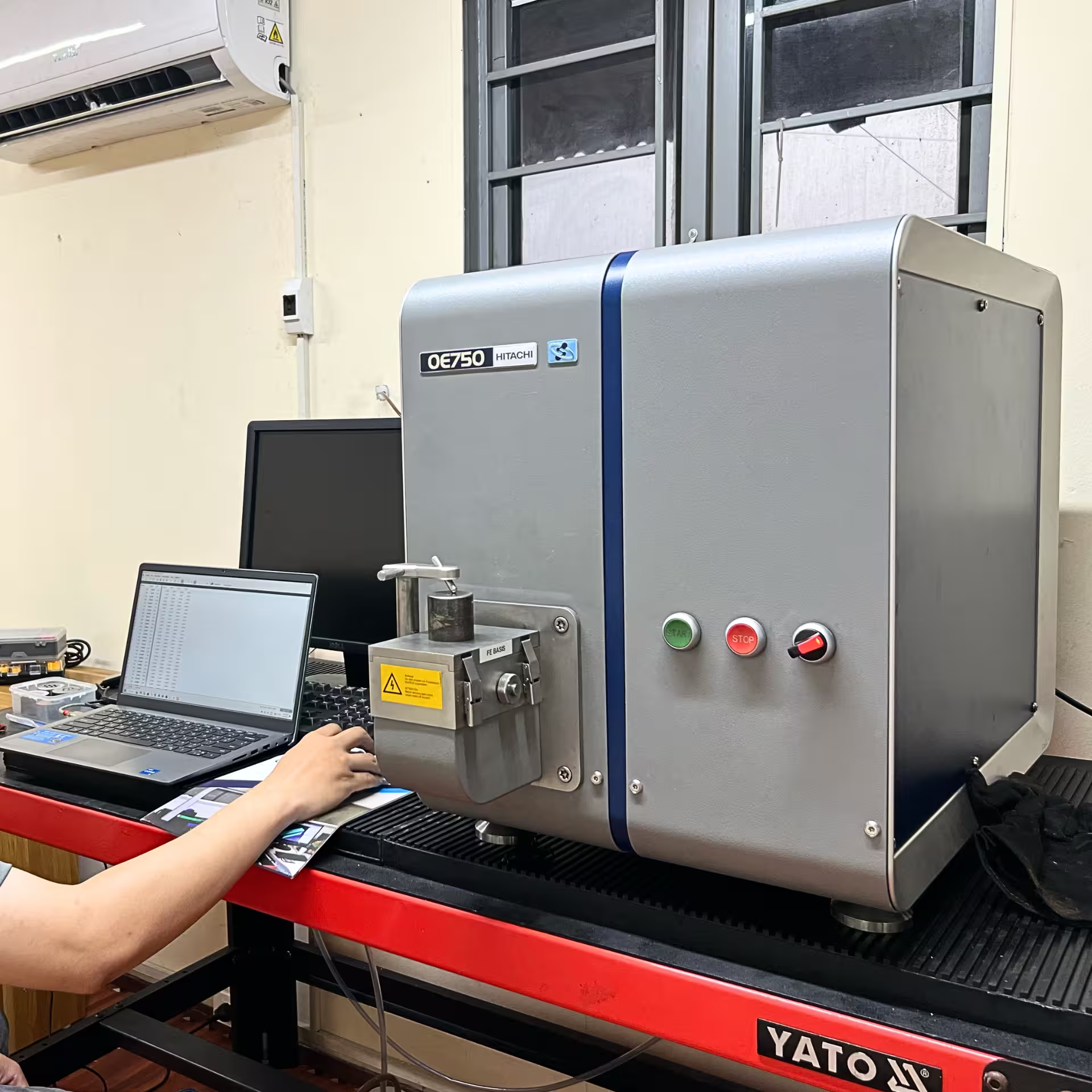
OES – Optical Emission Spectroscopyanalyzes elemental composition from the characteristic emission signals of a metal sample.
An inspection can follow these steps:Prepare sample surface → Perform OES analysis → Obtain elemental composition → Compare with technical requirements → Verify material
The results provide sample composition data, giving QA/QC a basis for material identification and verification.
OES applications in Inconel quality control
- Incoming material inspection
OES can inspect material samples before they enter production as part of incoming inspection. - Material grade verification
Composition results can be compared with technical requirements or a suitable database to help identify the Inconel grade. - Quality assurance and control (QA/QC)
Composition analysis gives QA/QC direct inspection data and supports acceptance and material quality control. - Finished product inspection
For products with strict material controls, OES can be used for final-stage inspection before delivery.
From material verification to quality control
OES testing of Inconel can be integrated at several stages of the process:
- Supplier material
- Incoming material inspection
- Material verification
- Production control
- Final verification
This approach helps companies not only inspect the finished product but alsocontrol material from the point of receipt.
When should you use a spectrometer to test Inconel?
OES may be suitable when a company:
- Uses multiple Inconel alloy grades
- Needs to verify incoming material
- Receives material from multiple suppliers
- Needs to compare composition with specifications
- Makes parts that require precise materials
- Needs to keep material verification records
- Wants to reduce the risk of using the wrong grade
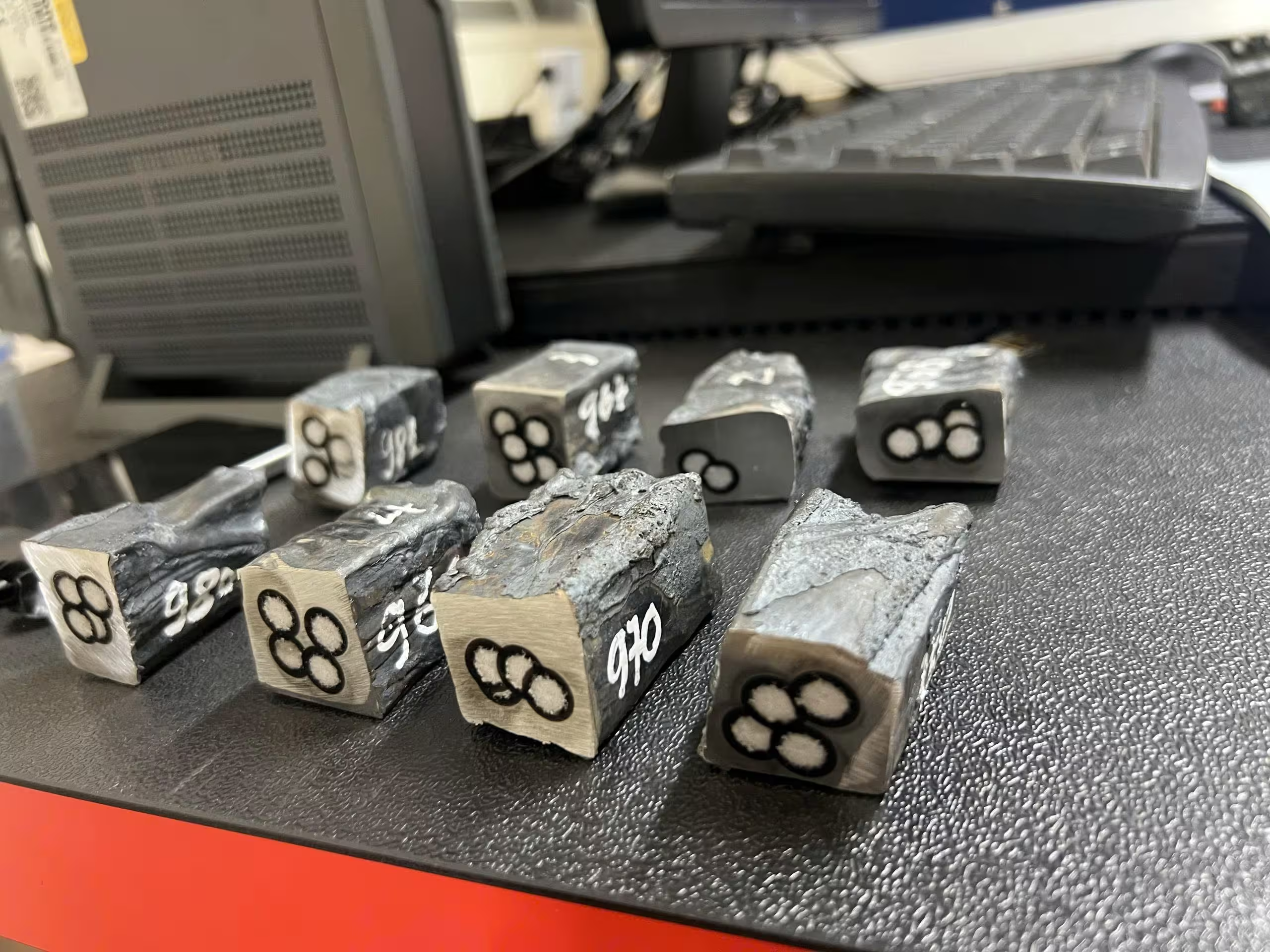
Hitachi OE720/OE750 – solutions for Inconel alloy analysis
Hitachi OE720/OE750are OES spectrometer systems that can be selected for metal composition analysis based on the alloy, elements to test, and company requirements.
For Inconel applications, the equipment can support:
- Material identification
- Material verification
- Incoming material inspection
- Quality assurance and control
- Final material verification
Selecting the right model and configuration depends onthe Inconel grade, elements to analyze, and applicable standards.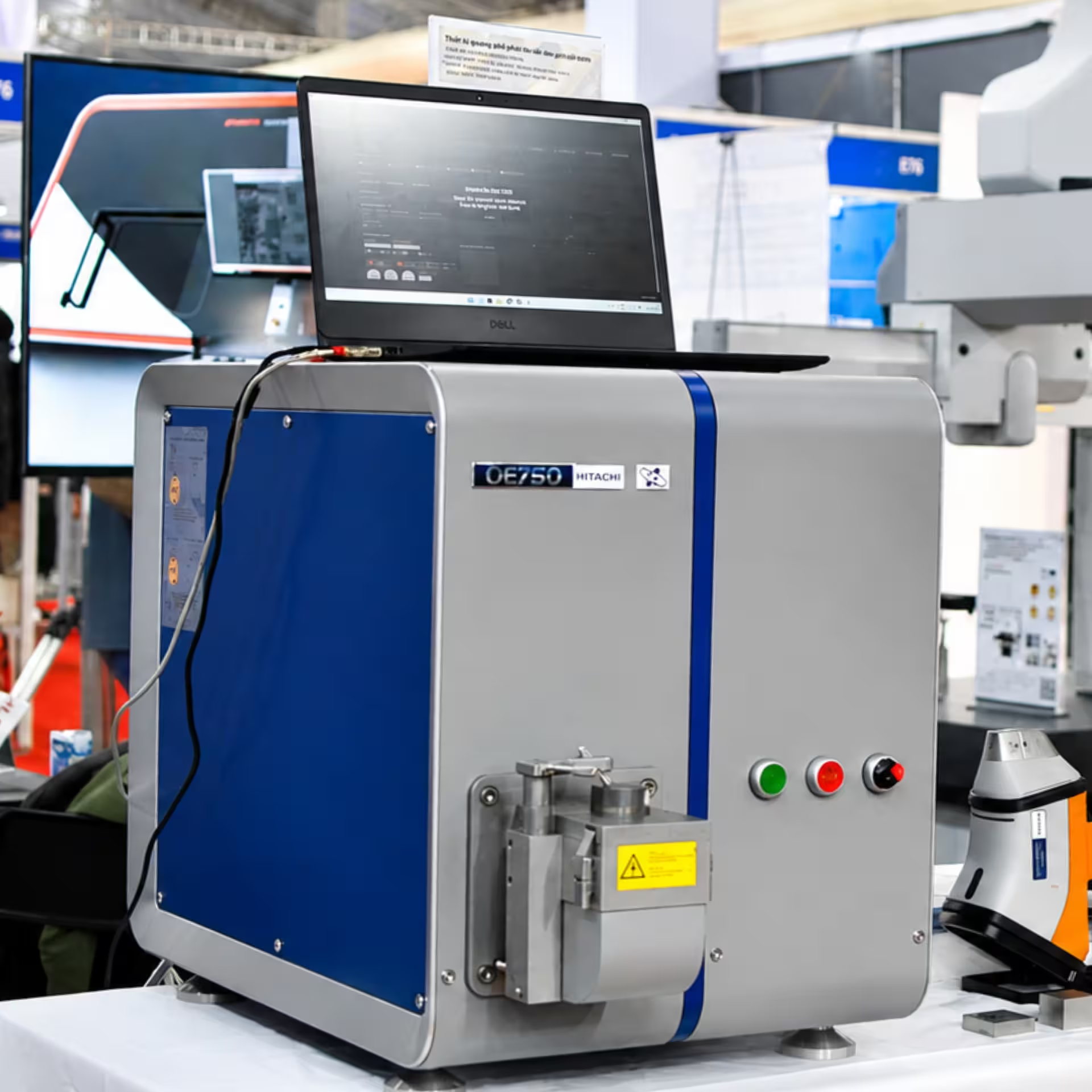
Frequently Asked Questions
OES can analyze nickel-based alloy composition when the instrument has a suitable configuration and analysis program.
Composition analysis can help distinguish grades by comparing elemental results with the relevant technical requirements.
Depending on the grade, common elements include Ni, Cr, Mo, Nb, Fe, Ti, Al, Co, and others required by the applicable standard.
CO/CQ certificates provide supplier information. Direct composition analysis of an actual sample can provide an additional material verification step.


